+86-731-89578196

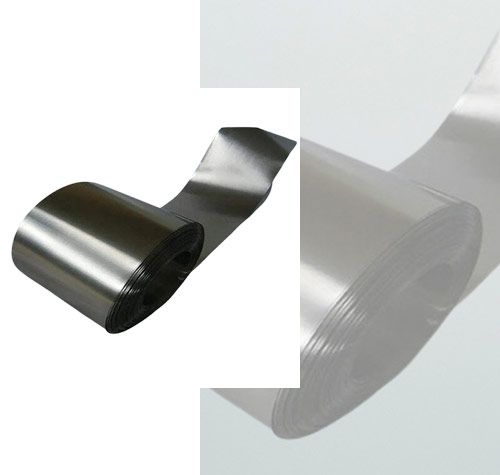

Europium foil production begins with high-purity europium metal (e.g., ingots or dendritic europium) that is refined and distilled to remove major impurities.

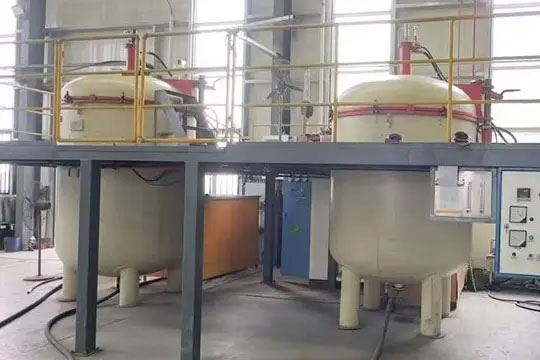
The europium metal is melted under a vacuum or inert atmosphere to prevent oxidation. It is then cast into uniform ingots, ensuring stable structure and consistent composition for downstream rolling operations.

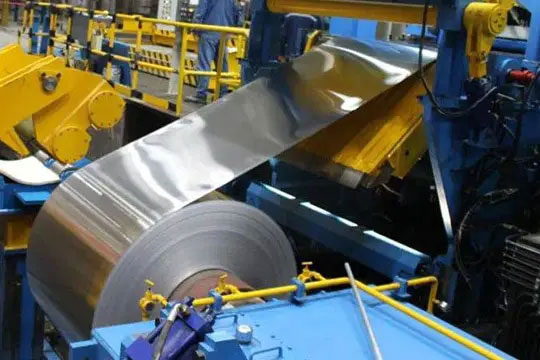
The cast europium ingots are heated to a controlled temperature and passed through hot-rolling equipment. This step reduces thickness, improves workability, and breaks down coarse grains for a more uniform internal structure.

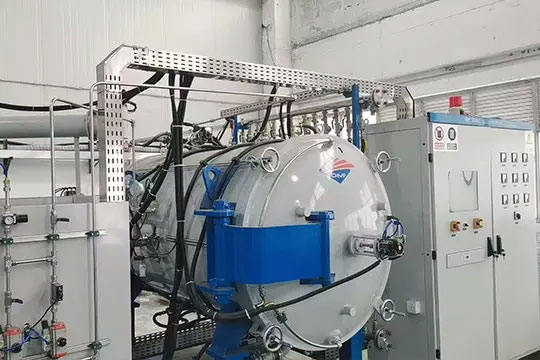
After the first rolling stages, the europium material is annealed in a vacuum or inert environment. This restores ductility, relieves internal stress, and prepares the material for more precise cold-rolling work.

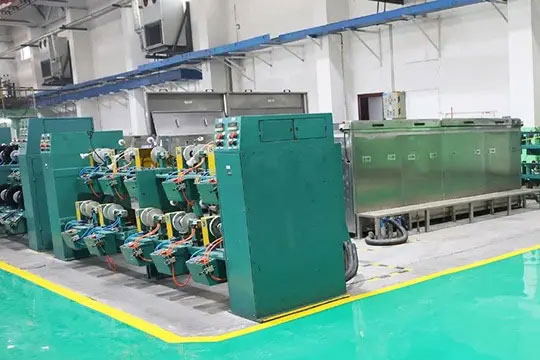
Cold rolling is performed through multiple passes to gradually reach the required foil thickness. This step provides accurate dimensional control, a refined grain structure, and a smooth, uniform surface suited for technical applications.

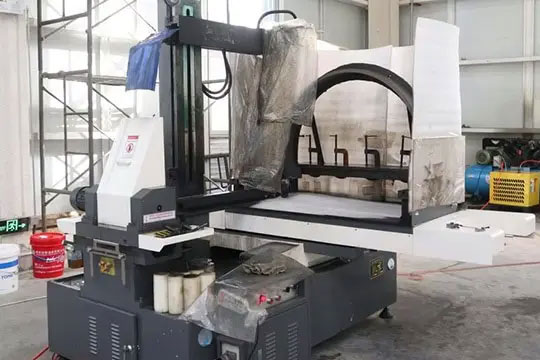
The nearly finished europium foil undergoes a final annealing cycle to stabilize its microstructure and eliminate remaining stress. Surface finishing follows, including trimming, smoothing, and cleaning procedures performed in oxygen-free conditions to preserve the metal's integrity.

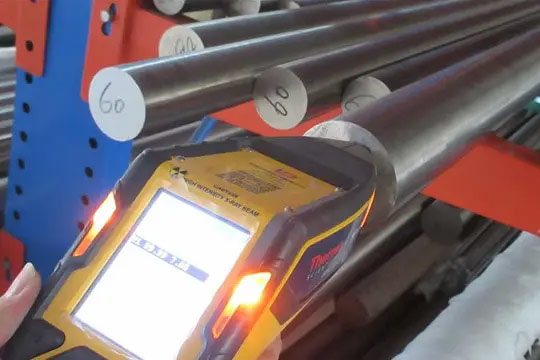
Each batch of europium foil is inspected for thickness accuracy, purity consistency, surface condition, and structural uniformity. Once approved, the foil is packaged using airtight or inert-gas methods to protect it from oxidation and ensure safe, contamination-free delivery.