+86-731-89578196



Lutetium is first obtained from rare earth ores (e.g. monazite, bastnäsite), then concentrated and purified using techniques such as solvent extraction, ion exchange, precipitation, and/or oxide conversion to remove impurities.

The purified lutetium compounds (typically oxide) are reduced to the metal form. This might involve high-temperature reduction (e.g. with calcium, magnesium, or via metallothermic methods) or other smelting processes to obtain metallic lutetium of high purity.

The metallic lutetium is melted under controlled atmosphere (e.g. vacuum or inert gas) to avoid oxidation, then cast into ingots, rods, or slab forms. Proper control of cooling rates and atmosphere ensures good grain structure and minimal defects.

The cast metal is heat-treated (annealed) to relieve internal stresses and promote uniform microstructure. Homogenization helps minimize segregations, grain boundary impurities, and ensures consistent mechanical properties.

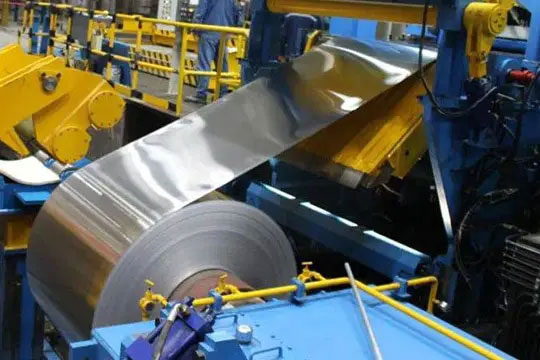
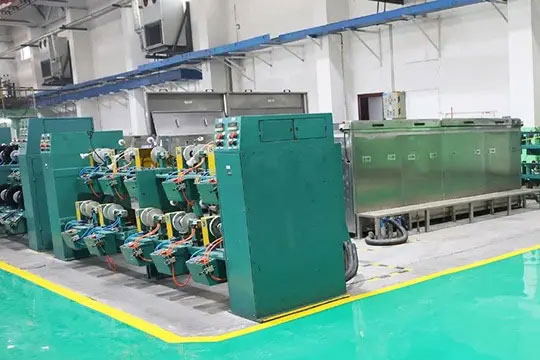
The ingots or slabs are then reduced in thickness via hot rolling (at elevated temperature) or cold rolling (at lower temperatures) possibly in multiple passes. Each pass reduces thickness progressively while maintaining workability, with intermediate annealing if needed to avoid cracking.

After rolling to near-final thickness, the foil undergoes surface treatments: polishing, cleaning, degreasing, possibly etching or passivation to remove surface oxides or contaminants and to achieve smooth, clean surfaces.

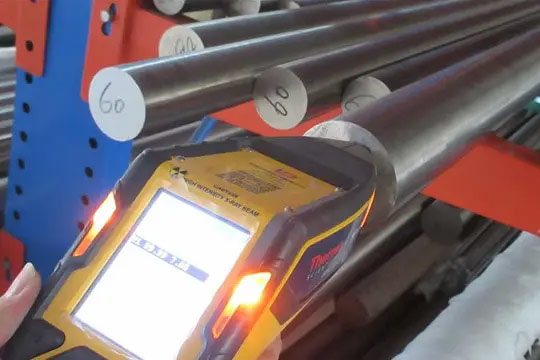
The foil is inspected for thickness uniformity, mechanical defects (cracks, tears), purity, and surface finish. Then it's cut or trimmed to required sizes, packaged under inert atmosphere or protective packaging to avoid oxidation or contamination, and shipped with relevant quality certificates.