+86-731-89578196



Lutetium metal is typically obtained by reducing anhydrous lutetium chloride (LuCl₃) or lutetium fluoride (LuF₃) using calcium, potassium, or sodium under controlled conditions.

- Rod: The purified lutetium is melted and cast into cylindrical billets using vacuum induction melting (VIM) or electron beam melting (EBM) to ensure high purity and uniformity.
- Wire: For wire production, the molten metal is cast into billets or ingots suitable for subsequent drawing processes.

- Rod: Billets may undergo hot forging or extrusion to achieve the desired diameter and shape, improving mechanical properties and reducing internal stresses.
- Wire: The cast billets are heated to a specific temperature to facilitate easier drawing into wire form.

- Rod: If further size reduction is needed, rods are drawn through dies at room temperature to achieve precise dimensions.
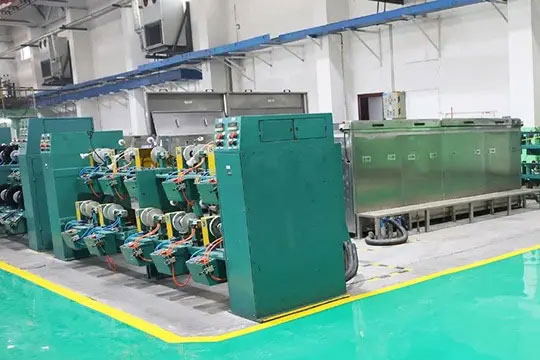
- Wire: The heated billets are drawn through a series of progressively smaller dies to reduce diameter and increase length, achieving the desired wire gauge.

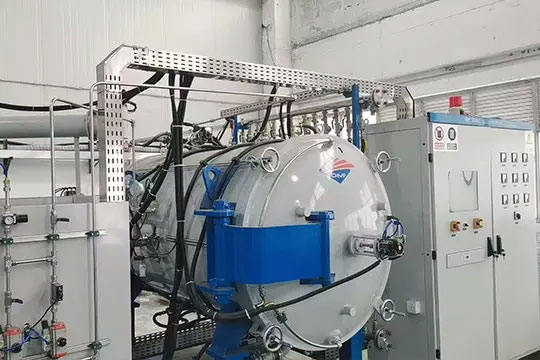
- Rod: Rods may be annealed in a controlled atmosphere furnace to relieve internal stresses and improve ductility.
- Wire: Wire undergoes annealing to restore ductility and reduce hardness, making it suitable for further processing or end-use applications.

Both rods and wires are subjected to surface cleaning processes, such as acid pickling or mechanical polishing, to remove oxidation and achieve a smooth, clean surface.

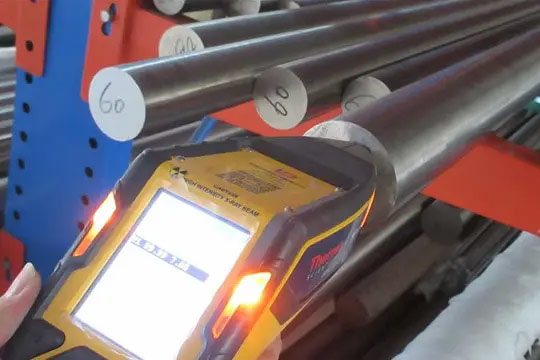
Final products undergo rigorous quality control tests, including dimensional checks, purity analysis, and mechanical property assessments, to ensure they meet specified standards. After passing quality checks, the lutetium rods and wires are carefully packaged to prevent damage during transportation.