+86-731-89578196

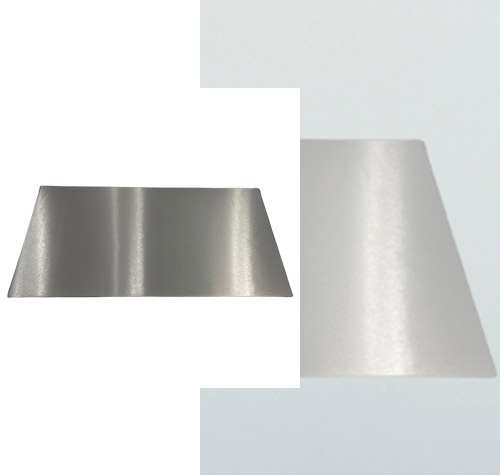

Dysprosium is sourced from rare-earth minerals such as monazite and bastnäsite. The ore is crushed, ground, and concentrated using physical methods like flotation and magnetic separation. Chemical purification, including solvent extraction and ion-exchange, isolates high-purity dysprosium from other rare earth elements and impurities.

The purified dysprosium is converted into a halide form, typically DyF₃ or DyCl₃, which is then reduced using reactive metals like calcium or lithium in a high-temperature environment. This metallothermic reaction produces metallic dysprosium, which is separated from by-product salts for further processing.

The metallic dysprosium is melted under vacuum or inert atmosphere and cast into ingots. This homogenizes the metal, removes impurities, and prepares it for foil rolling.

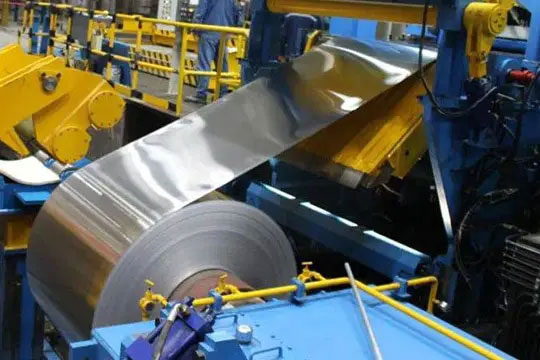
The ingots are heated and passed through rolling mills multiple times to gradually reduce thickness. Hot and cold rolling cycles achieve uniform thickness, smooth surface, and the desired foil dimensions.

Rolled foil undergoes annealing to relieve internal stresses, restore ductility, and improve mechanical properties, ensuring it can be handled and processed without cracking.

The foil surface is treated to remove oxides, scale, and impurities, resulting in a clean, smooth, and high-quality surface suitable for precision use.

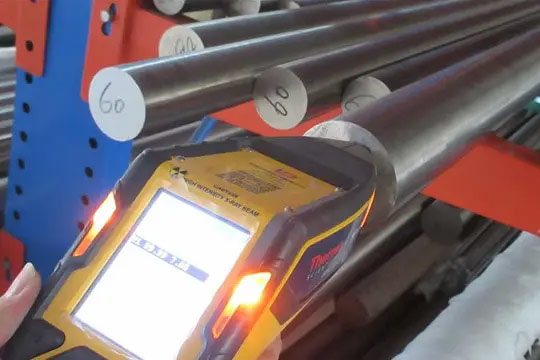
Final foil is inspected for thickness, flatness, purity, and surface finish. Approved foil is packaged under protective or inert atmospheres to prevent oxidation and damage during storage and transport.