+86-731-89578196


The process begins by melting high-purity erbium metal in a controlled vacuum or inert-gas furnace to remove impurities and achieve the desired chemical composition. For both rod and wire, this step establishes the base material quality, ensuring purity and structural integrity.

After refining, the molten erbium is cast into ingots, billets or blanks that serve as the starting form.
- Rod: the billet may be cast closer to the target diameter or shape for rod production.
- Wire: the cast form is typically oversized and prepared for further reduction.

The cast piece is heated and worked (via rolling, extrusion or forging) to refine the grain structure, reduce size and improve mechanical properties.
- Rod: billets may be hot-rolled to the approximate diameter required.
- Wire: the piece may be extruded or hot-rolled multiple times to prepare for drawing.

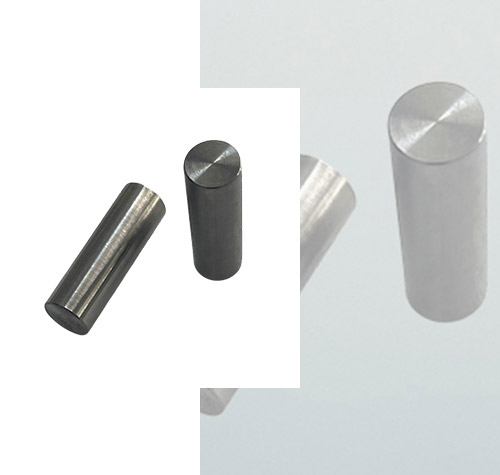
- Rod: undergoes cold rolling or finishing passes to reach final diameter, surface finish and straightness.
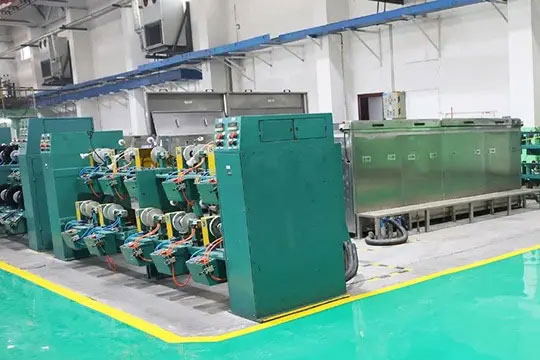
- Wire: undergoes multi-pass drawing through progressively smaller dies, often with intermediate annealing, to achieve fine diameters and excellent surface quality.

The material is annealed (heated and then cooled under controlled conditions) to relieve internal stresses, refine microstructure and ensure desired mechanical and physical properties. This step helps improve ductility, reduce brittleness and set final property balance.

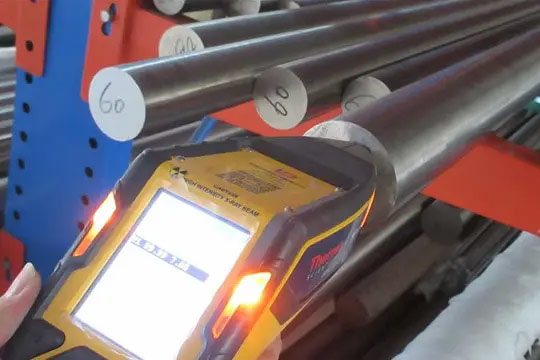
The finished rod or wire is cleaned, surface treated (e.g., pickled, polished) as needed, and inspected for defects, dimensional tolerances, straightness (rod) or diameter uniformity (wire).

Finally, rod and wire are cut to specified lengths, labeled with batch/trace information, packaged to protect against oxidation or damage, and shipped. Rods are often cut into defined lengths or prepared for further machining. Wires are wound into coils or spools, with protective wrapping and documentation of material grade and properties.