+86-731-89578196

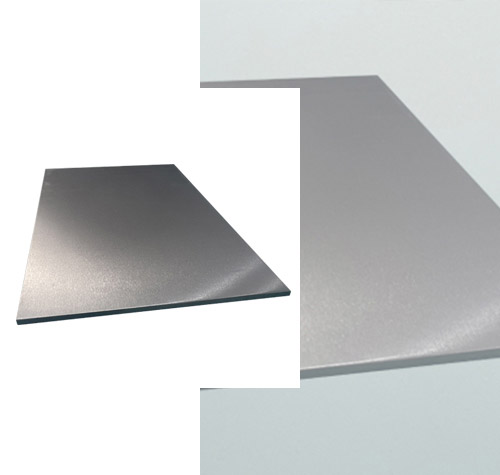

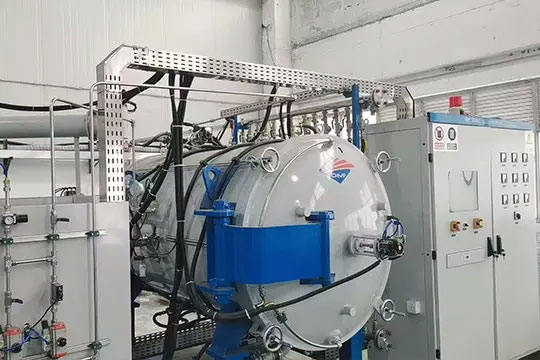
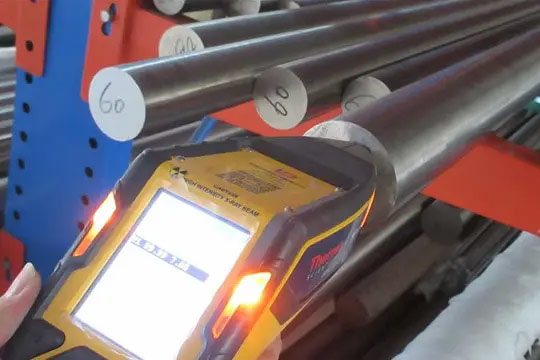
High-purity terbium ingots are produced using vacuum induction melting (VIM) or electron beam melting (EBM) to achieve a uniform composition and dense crystal structure. Each batch undergoes detailed analysis using GDMS, ICP-MS, and ONH testing to verify purity, elemental uniformity, and trace impurity levels before further processing.

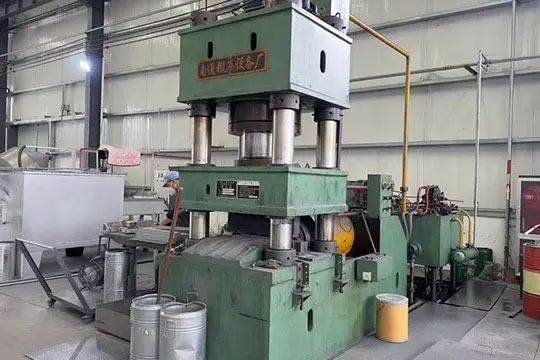
Solid terbium ingots are hot-forged into billets to refine the grain structure and enhance mechanical workability. These billets are then hot-rolled into intermediate slabs, creating a dense, homogeneous foundation ideal for subsequent precision rolling.

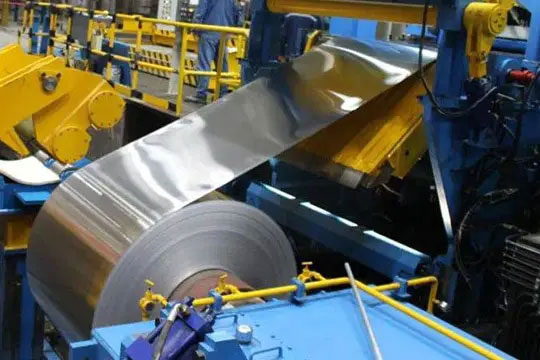
The slabs are cold-rolled through multiple passes to reach the target thickness with tight dimensional control. Typical thickness range:
- Foil — as thin as 20 μm
- Sheet — up to 40 mm
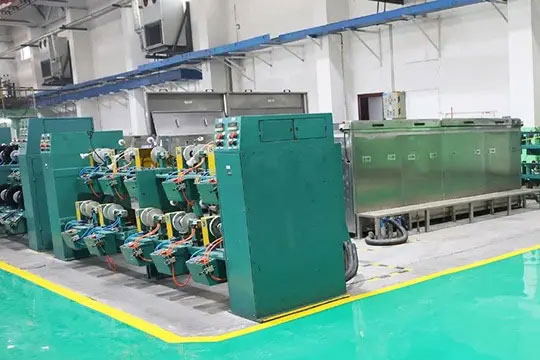
During this stage, intermediate annealing is applied to relieve internal stress, maintain ductility, and ensure excellent flatness — especially for ultra-thin foil production used in research and neutron activation experiments.

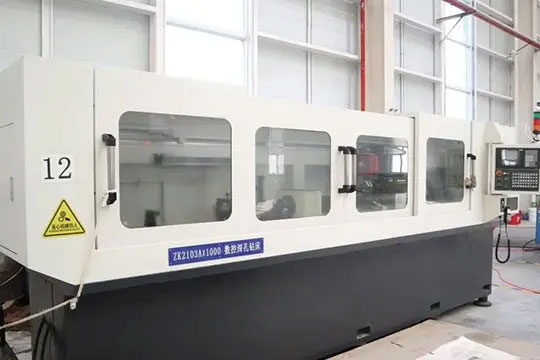
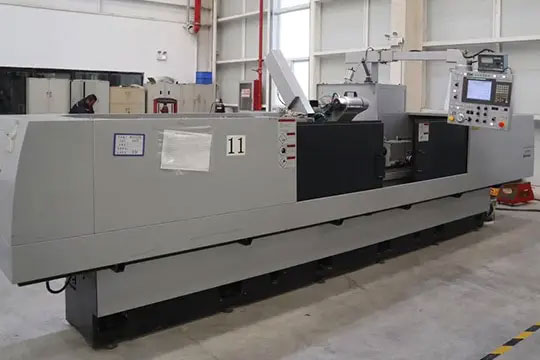
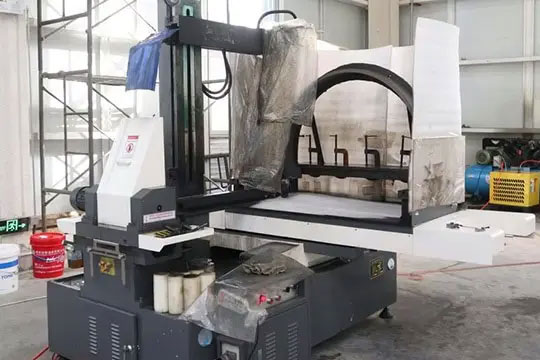
Rolled terbium material is cut, slit, or trimmed to customer-specified sizes using precision machining equipment.
Optional edge deburring and surface polishing create smooth, uniform surfaces required for high-vacuum, optical, and coating applications.

Each foil and sheet undergoes strict inspection for thickness accuracy, flatness, and surface integrity. Approved materials are ultrasonically cleaned to remove residual dust, oil, and particles, ensuring readiness for laboratory, vacuum, or reactor use.
Finished terbium foils and sheets are vacuum-sealed in moisture-proof bags and packed in shock-resistant cartons to prevent oxidation and mechanical damage during shipping. Each shipment includes a Certificate of Analysis (COA), packing list, and full documentation to guarantee traceability and quality assurance.