+86-731-89578196

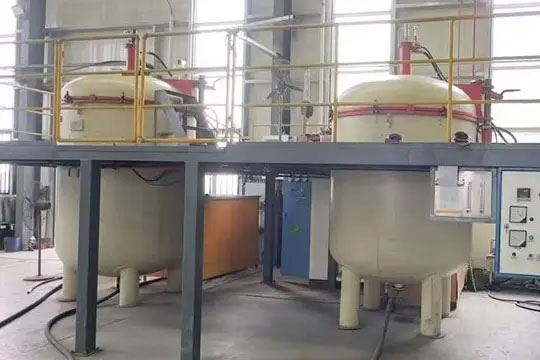
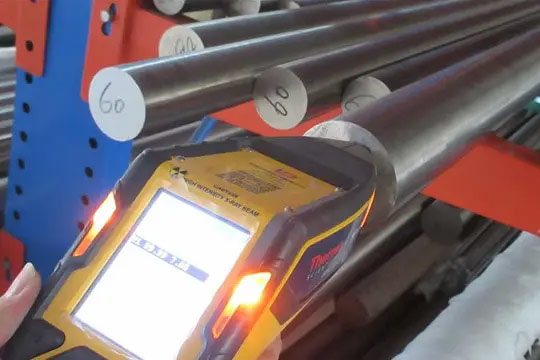
The manufacturing process begins by melting high-purity ytterbium in an inert atmosphere to prevent oxidation. The molten metal is then cast into solid ingots, forming the initial raw material for foil production.

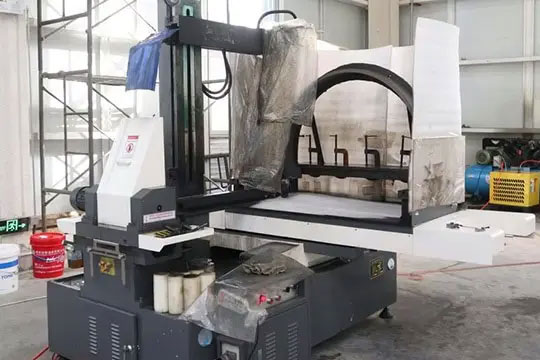
After casting, the ingots undergo machining to remove any oxide layers and surface impurities. The cleaned material is then cut into billets with suitable dimensions for the following deformation processes.

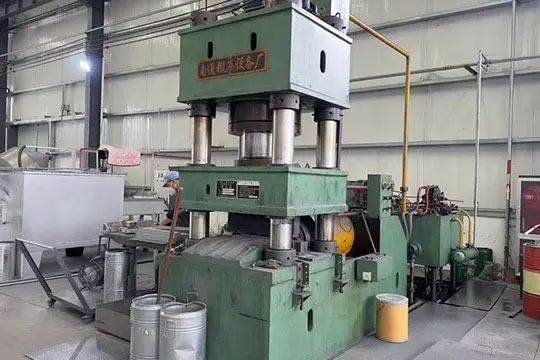
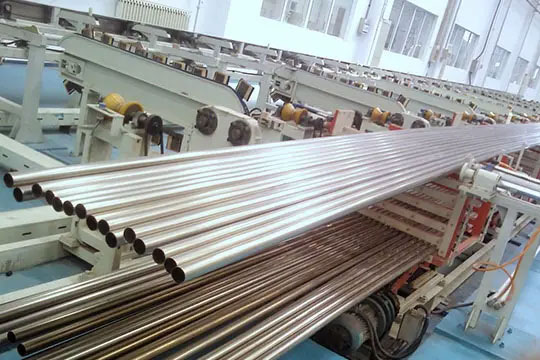
The billets are preheated and extruded to produce elongated ytterbium strip billets. This step refines the internal structure and prepares the material for subsequent rolling operations.

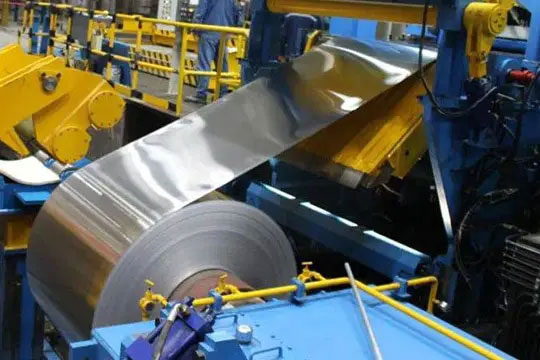
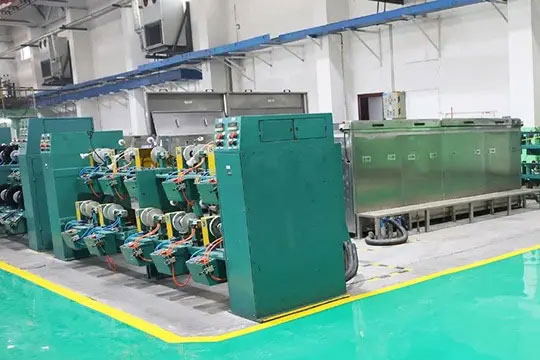
The extruded strips are hot rolled at approximately 280–400°C through multiple passes. Rolling is performed in groups, with each pass reducing the thickness gradually to ensure structural stability and uniform deformation.

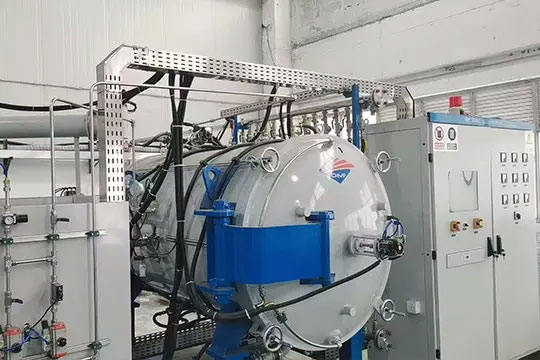
Before cold rolling, the material is annealed under vacuum or argon protection at 300–450°C to soften the structure. It then undergoes multiple cold-rolling passes grouped by reduction ratio, with additional annealing between groups to maintain ductility and prevent cracking.

After the final cold-rolling stage, the material receives an additional annealing treatment at 220–320°C in an argon atmosphere. This produces rough ytterbium foil with improved uniformity, reduced internal stress, and enhanced surface quality.

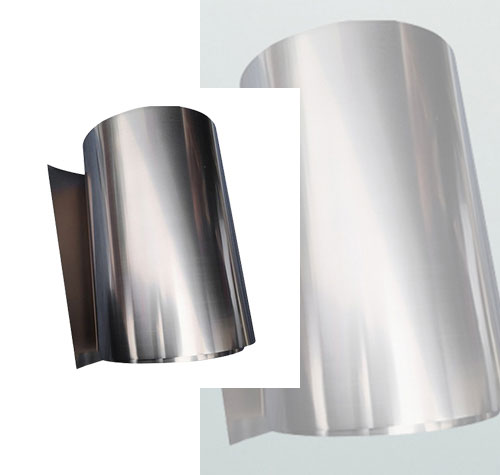
The rough foil undergoes surface finishing, cleaning, and trimming to achieve the desired thickness, width, and appearance. At this stage, the material becomes high-quality ytterbium foil ready for packaging and shipment.