+86-731-89578196

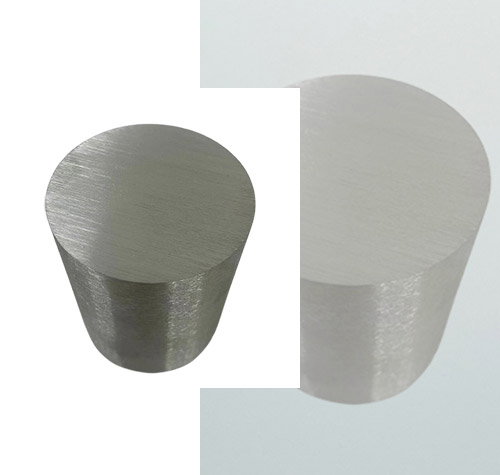

Ytterbium is first separated from rare earth ores through solvent extraction or ion-exchange processes. The extracted ytterbium compounds are then reduced to metallic form, followed by high-level purification using vacuum distillation or sublimation. This produces high-purity ytterbium metal suitable for further processing.

The purified ytterbium is melted under vacuum or an inert atmosphere. This process removes residual gases and impurities, producing a uniform molten metal while preventing oxidation or contamination.

The molten ytterbium is cast into ingots or billets in molds, forming the base shapes for rods and wires. The cast ingots then undergo controlled annealing and homogenization to refine the internal grain structure, relieve stress, and improve uniformity for subsequent mechanical processing.

The annealed ingots are shaped into initial forms depending on the final product:
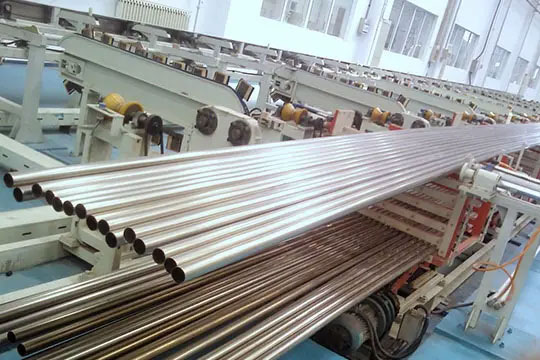
- Rod: Ingots are machined or turned into cylindrical shapes with controlled diameters.
- Wire: Ingots are pre-rolled or extruded into narrow billets suitable for drawing.

This step creates the final dimensions through precision forming:
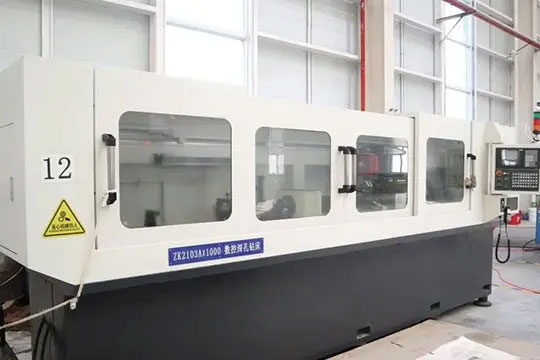
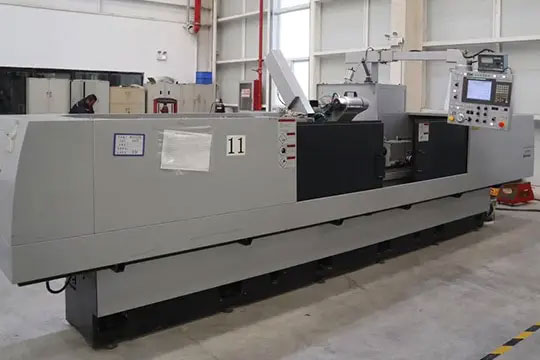
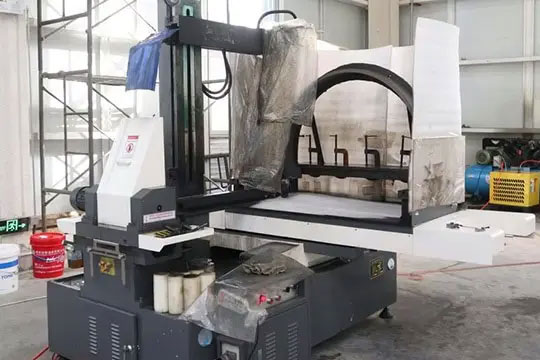
- Rod: Machining, centerless grinding, or fine turning is used to achieve accurate diameters and smooth surfaces.
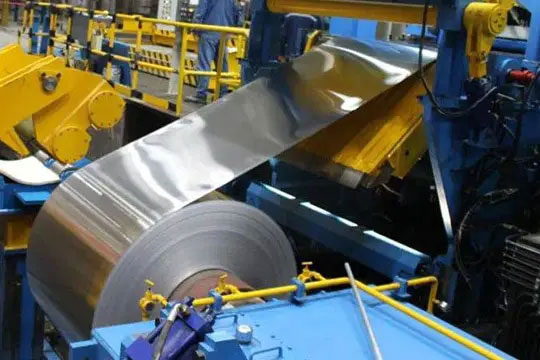
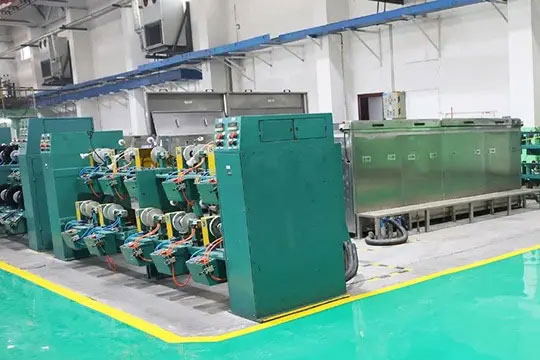
- Wire: Wire drawing is performed through multiple dies, gradually reducing the diameter while maintaining structural consistency.

After mechanical forming, ytterbium rod and wire are heat-treated again to stabilize the microstructure. This enhances strength, improves stability during storage, and reduces internal stresses caused by machining or drawing.

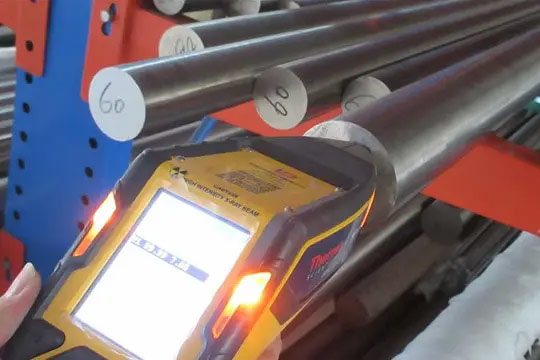
The finished rod and wire are cleaned to remove oxidation layers or machining residues. Final inspection includes dimensional checks, surface quality evaluation, and purity verification. Products are then vacuum-sealed or packed in inert gas to protect ytterbium from oxidation during storage and shipping.