+86-731-89578196


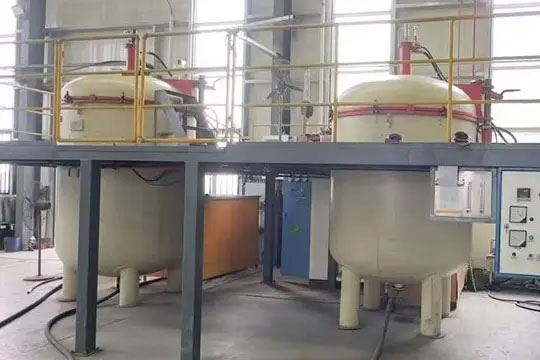
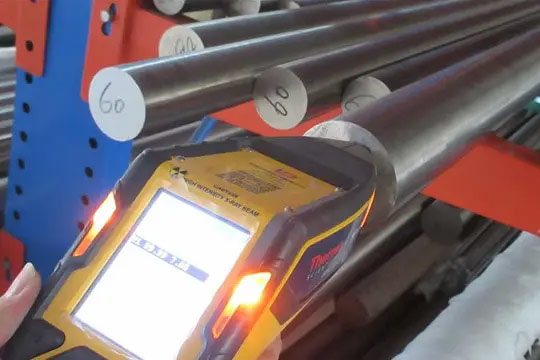
High‑purity yttrium metal (up to 99.99%) is melted using VIM (Vacuum Induction Melting) or EBM (Electron Beam Melting) to ensure clean composition and a dense, uniform structure. Each melt lot is tested by GDMS, ICP‑MS, and ONH analysis to confirm purity and gas levels before processing begins.

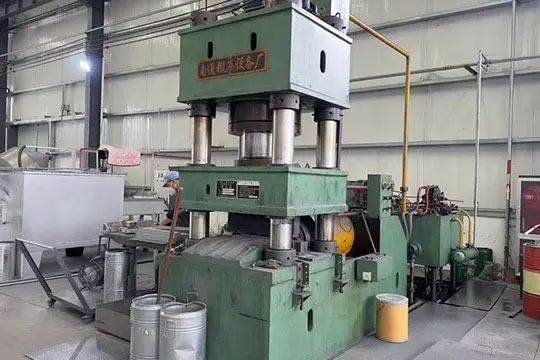
The solid yttrium ingots are hot‑forged into workable billets to refine the grain structure and remove casting defects. These billets are then hot‑rolled into smooth, consistent slabs under controlled conditions to reduce oxidation and prepare the material for precision thickness reduction.

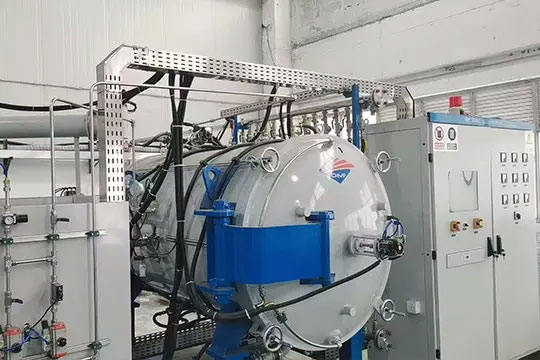
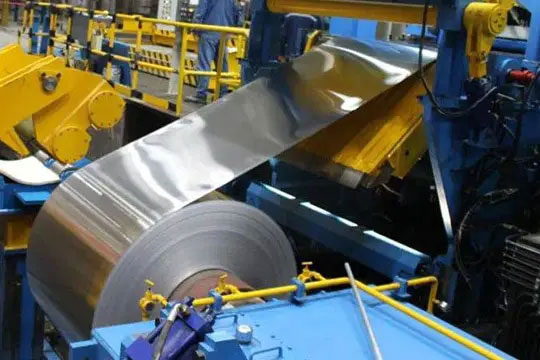
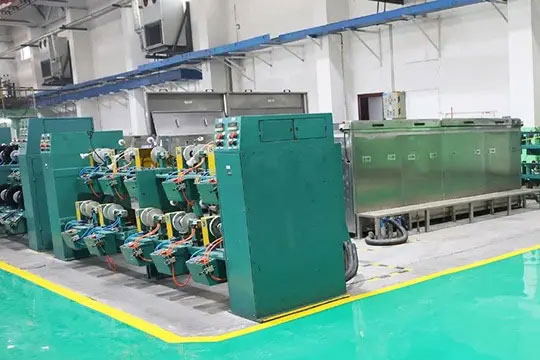
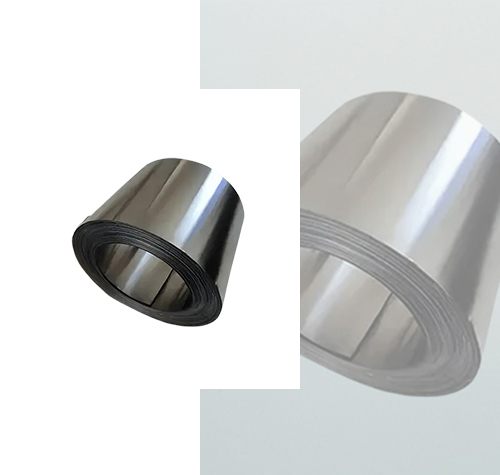
The slabs go through multiple cold‑rolling passes to achieve the required foil or sheet thickness. Throughout this stage, thickness and flatness are closely monitored to maintain dimensional accuracy. Vacuum annealing is performed between passes when needed to relieve stress and keep the material ductile—especially important for producing ultra‑thin foils.

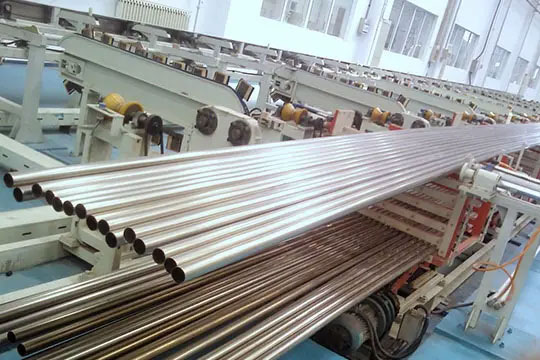
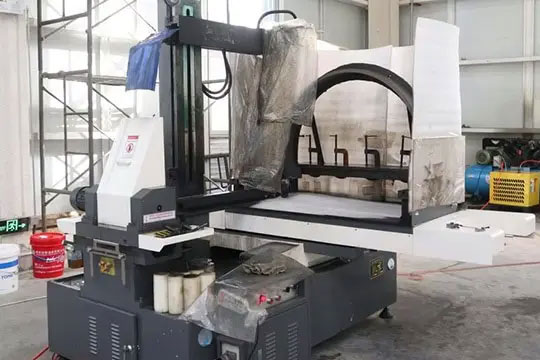
After rolling, the yttrium material is slit, sheared, or blanked to the customer’s specified sizes. Optional edge deburring and surface finishing (bright or matte) help produce clean, smooth surfaces suitable for high‑vacuum, optical, and coating applications.

Every sheet and foil is checked for exact thickness, surface quality, and flatness. Once approved, the material is ultrasonically cleaned and degreased to remove any dust, oils, or particles, ensuring a low‑outgassing surface ready for laboratory or production use.
Finished yttrium foils and sheets are interleaved or wrapped, then vacuum‑sealed in moisture‑barrier bags with desiccant to prevent oxidation. Shock‑resistant boxes are labeled with purity, size, and lot number. Each shipment includes a Certificate of Analysis (COA) and full traceability documentation upon request.