Yttrium Sputtering Target

Yttrium (Y) Sputtering Targets for Thin Film Deposition

AEM REE offers high-purity yttrium sputtering targets designed for thin film coating in vacuum systems such as magnetron sputtering. Yttrium is a rare-earth metal known for its high melting point, chemical stability, and catalytic properties, making it useful in a wide range of applications.

These targets are commonly used to create dielectric thin films, infrared-reflective coatings, and protective or catalytic layers. Industries such as electronics, optics, and energy research use yttrium targets for producing optical coatings, superconductor buffer layers, and hydrogen-related catalysts.

We supply yttrium sputtering targets in a variety of shapes and sizes, including discs, plates, and custom designs. Bonding to backing plates is also available. All products come with a Certificate of Analysis (COA) and full material traceability.

Yttrium Sputtering Target Specifications:

Purity: Y/TREM≥99.99%, TREM≥99.9%
Average Grain Size: <200μm
Suface Roughness: <2μm
Shapes Available: Planar targets (circular or rectangular)
Typical Dimensions: Diameter ≤ 14 inch / Length ≤ 32 inch, Thickness ≥ 1 mm

Our Yttrium Targets Advantages

  • Up to 99.99% Pure Yttrium for High-quality Thin Film Coatings
  • Tight Dimensional Tolerances, Excellent Thickness Control
  • Uniform Microstructure – Fine grain size for consistent sputtering performance
  • With Custom Shapes, Sizes, and Bonding Options
  • Reliable Quality Control
  • Value-Driven Pricing — High-purity Yttrium targets at competitive prices
  • Global Delivery & Support — Fast worldwide shipping with full technical support
Get a Quote for High-Purity Yttrium Metal
Have questions or need a quote? Complete the form below and we'll connect with you promptly.


Unique Properties of Yttrium Sputtering Target


1. High Oxygen Reactivity

Yttrium has a strong affinity for oxygen, making it ideal for reactive sputtering processes where it forms stable yttrium oxide (Y₂O₃) thin films. These films are known for their excellent dielectric and optical properties.

2. Wide Bandgap Oxide Formation

When deposited as Y₂O₃, yttrium creates a wide-bandgap material with high electrical insulation and optical transparency across UV, visible, and IR wavelengths—critical for optoelectronic and protective coating applications.

3. High Thermal and Structural Stability

Yttrium metal has a high melting point (~1,526 °C) and resists deformation under high-energy sputtering conditions. This ensures consistent erosion behavior, low contamination, and a longer target lifespan.

4. Non-Magnetic Nature

Yttrium is paramagnetic at room temperature and has very low magnetic interference, which makes it compatible with both DC and RF sputtering systems, especially where magnetic field distortion must be avoided.

5. Corrosion Resistance

Yttrium shows good resistance to chemical attack in vacuum or inert atmospheres, helping maintain film purity and system cleanliness during depositio

6. Support for Complex Material Systems

Yttrium is often used as a dopant or buffer material in multi-layer structures, ceramic films, and high-temperature superconductors, due to its compatibility with a wide range of elements and oxides.


Manufacturing Process of Yttrium Sputtering Target

High-purity yttrium metal (up to 99.995%) is melted using vacuum induction melting (VIM) or electron beam melting (EBM) to eliminate impurities and achieve a uniform, dense structure. Each batch is tested using GDMS, ICP-MS, and ONH analysis to confirm purity and ensure ultra-low levels of trace contaminants before further processing.


The purified yttrium is cast or machined into pre-formed blocks such as cylinders, slabs, or custom blanks based on the target's final dimensions. This step ensures precise control over weight and geometry for consistent downstream processing.

The pre-formed yttrium blocks are hot-forged or hot-rolled to increase density, eliminate internal voids, and refine the grain structure. This enhances mechanical stability and improves the uniform erosion behavior of the final target during sputtering.

The forged blanks are then CNC-machined to the specified size, shape, and flatness required by the customer. This includes tight tolerances on diameter, thickness, and parallelism to ensure compatibility with magnetron sputtering systems.

Each yttrium target undergoes surface polishing and cleaning to remove oxidation and minimize surface roughness (typically below 2 µm). This provides a clean, smooth surface that helps ensure even film formation and high sputtering efficiency.

When needed, yttrium targets are bonded to copper or molybdenum backing plates using indium soldering or diffusion bonding, which improves thermal conductivity and mechanical stability in high-power sputtering systems.

All finished targets are inspected for purity, density, grain structure, surface quality, and dimensional accuracy. Approved products are vacuum-sealed with desiccant or argon-filled and packaged in protective cartons. Each shipment includes a Certificate of Analysis (COA) and full quality documentation for traceability.
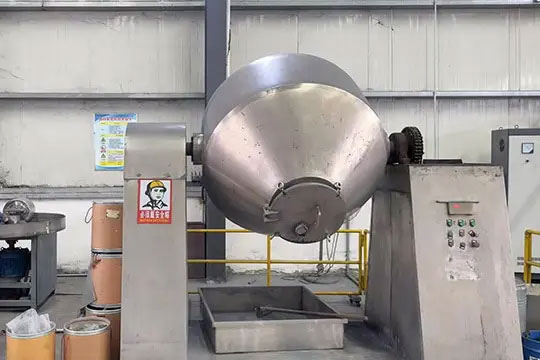
Mixing Machine

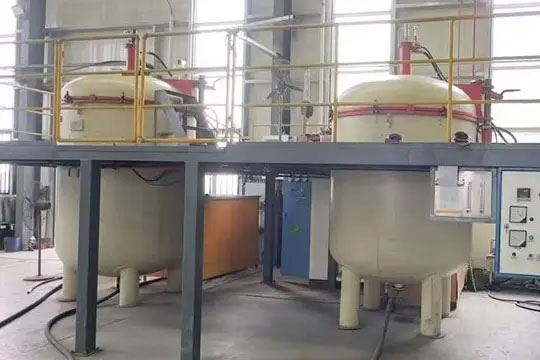
Sintering Furnace

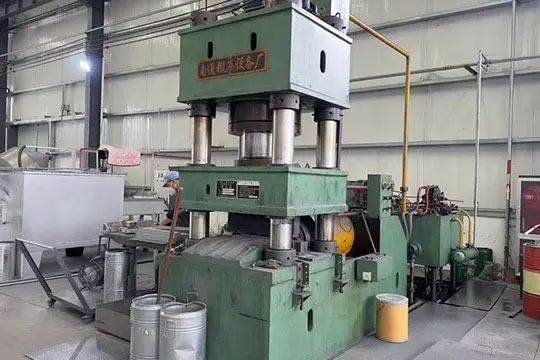
Die Forging

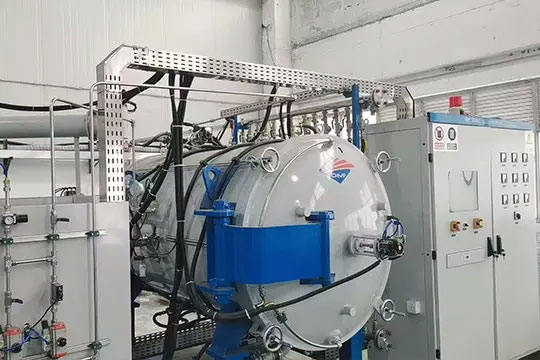
Annealing Furnace

Cold Rolling Mill

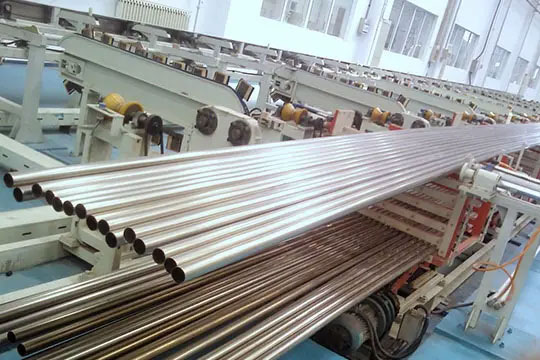
Straightening Machine

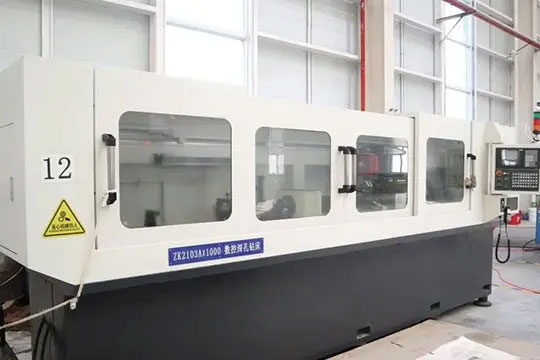
CNC Deep Hole Drilling Machine

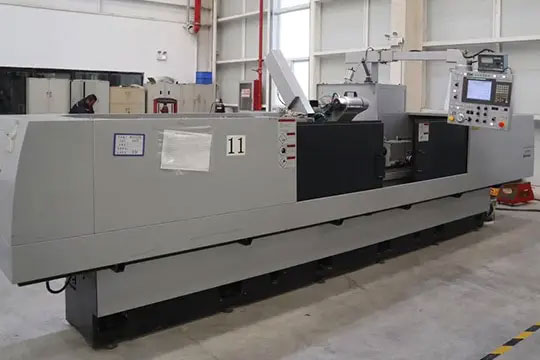
Grinding Machine

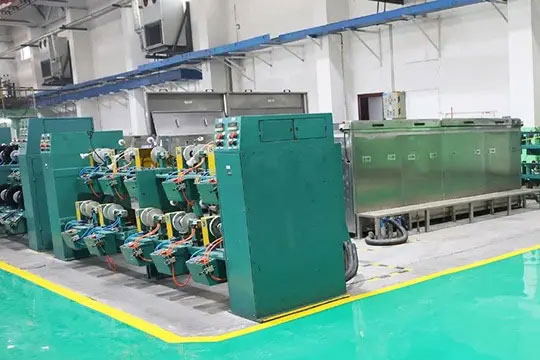
Wire Drawing Equipment

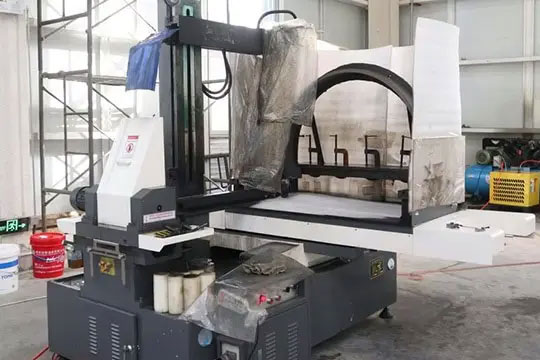
Wire Cutting Machine

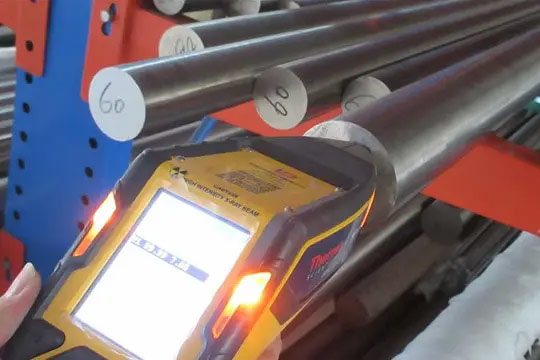
Handheld XRF Analyzer

Scanning Electron Microscope

Yttrium Sputtering Target Applications

Optical Thin Films

Yttrium is commonly used to deposit yttrium oxide (Y₂O₃) coatings with excellent transparency across UV, visible, and IR wavelengths. These films are ideal for anti-reflective coatings, infrared windows, laser optics, and display components.


Dielectric Layers in Microelectronics

Y₂O₃ is a high-k dielectric material with excellent insulation properties, making yttrium targets suitable for thin films in semiconductor devices, gate dielectrics, and capacitors where low leakage and high breakdown voltage are essential.


Ceramic and Structural Coating Systems

Yttrium films are used to modify or stabilize ceramic materials such as yttria-stabilized zirconia (YSZ), widely employed in thermal barrier coatings, fuel cells, and solid oxide electrolytes.


Energy and Catalysis Research

In multilayer structures and experimental systems, yttrium is explored for its role in catalytic enhancement, hydrogen storage, and functional oxide films used in energy storage and conversion technologies.


Other Yttrium Products We Offer

Our Satisfied Customers

We serve clients across wide range of Industries like Educational Institutes and Universities, Research Laboratories, and many Industrial Manufacturers. With our commitment to delivering premium yttrium metal, our clients are always happy with our products and services, making their experience a great one every time.


Contact us Today

Solution about Yttrium Metal? Our experts are here to help. Contact us for advice on choosing and using Yttrium. Get a quote now or let us know what you're looking for and we will get back to you soon!

Room 1725-1729, Building C3, Forte Binjiang Financial Center, No. 751 Xiaoxiang North Road, Yuelu District, Changsha, Hunan 410023, China.

Leave us Message

* denotes required field.
Your name
 
Email address
 
Company name
 
Country or region
 
Message
 
 
Ask Our Rare Earth Expert