+86-731-89578196



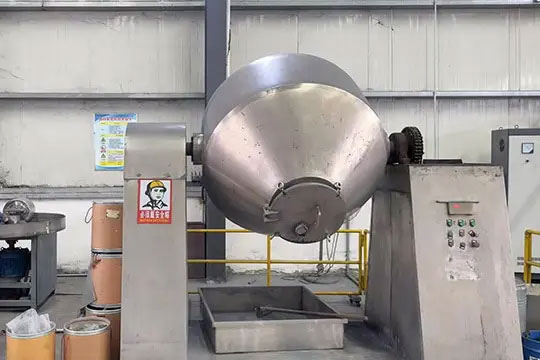
The process begins with high-purity ytterbium metal, usually 99.9% or above. It is melted using vacuum methods like VIM or EBM to remove impurities and create a uniform, clean material. Each batch is tested to confirm its purity before moving forward.


These pre-shaped pieces are hot-forged or hot-rolled to increase their density and improve the internal grain structure. This step helps make the target more stable and ensures even wear during sputtering.

After hot working, the material is machined into its final shape using CNC equipment. This includes adjusting the thickness, diameter, and flatness to meet the required specifications.

The surface of the target is polished and cleaned to remove oxidation and reduce roughness. A clean, smooth surface is important for stable film growth during coating.

When needed, the ytterbium target is bonded to a compatible backing plate, typically made of copper or molybdenum. Bonding is performed using methods like indium soldering or diffusion bonding to enhance thermal conductivity and mechanical strength during high-power sputtering.
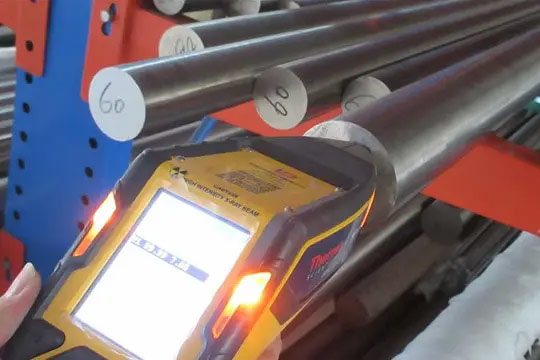
Before shipping, each target is carefully inspected for quality, surface finish, and accuracy. Approved targets are vacuum-sealed or packed with argon gas and desiccants to protect them from oxidation. A full Certificate of Analysis is included with each order.