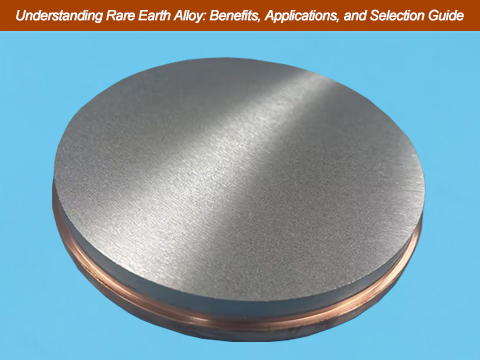
A rare earth alloy is a metal material enhanced with rare earth elements to improve strength, heat resistance, corrosion resistance, and overall performance. These alloys are widely used in aerospace, electronics, medical devices, and advanced manufacturing where standard metals cannot meet demanding conditions.
Below is a quick overview to help you understand why rare earth alloy is so important:
| Factor | What It Means | Why It Matters |
| Composition | Metal combined with rare earth elements | Improves structure and performance |
| Key Benefits | High strength, heat resistance, stability | Extends service life and reliability |
| Common Uses | Aerospace, medical, electronics | Critical industries depend on them |
| Supply Format | Powder, ingot, sheet, custom alloy | Flexible for engineering needs |
One powerful example shows the importance of rare earth materials: a single advanced fighter jet can contain hundreds of kilograms of rare earth-based materials, highlighting their essential role in modern engineering.
In short, rare earth alloy is not just a material—it is a performance upgrade for industries that demand reliability, precision, and durability.
A rare earth alloy is created when small amounts of rare earth elements are added to base metals such as aluminum, magnesium, titanium, or other alloys. Even in small quantities, these elements can significantly improve the structure and behavior of the material.
Rare earth elements help refine the internal grain structure of metals. This means the material becomes more uniform and stable. As a result, the alloy gains better strength, improved resistance to heat, and enhanced durability.
To better understand, consider this simple comparison:
This improvement happens because rare earth elements act like "micro-level enhancers". They control how the metal solidifies and reacts to environmental conditions.
Another key advantage is stability. Many materials weaken when exposed to high temperatures or repeated stress. However, a rare earth alloy maintains its structure longer, which is critical for high-performance applications.
In addition, these alloys can improve machinability and processing. Manufacturers often find that rare earth alloy materials are easier to shape, weld, or refine, which reduces production challenges.
Overall, the definition is simple, but the impact is significant. A rare earth alloy transforms ordinary metals into high-performance materials that can handle demanding industrial environments.
Modern industries need materials that can handle extreme conditions while still delivering stable and reliable performance. A rare earth alloy is specially designed to meet these demands. By adding small amounts of rare earth elements—such as lanthanides, scandium, and yttrium—engineers can significantly improve the properties of traditional metals.
Even though these elements are added in very small quantities, their impact is powerful. They change the internal structure of the alloy, making it stronger, more stable, and more resistant to damage. This is why rare earth alloy is widely used in high-performance industries like aerospace, energy, and advanced manufacturing.
Rare earth alloys offer several important benefits that directly improve material performance:
These advantages make rare earth alloy a key material for applications where performance, durability, and efficiency are critical.
Here is a comparison that highlights the difference:
| Feature | Conventional Alloy | Rare Earth Alloy |
| Heat Resistance | Moderate | High |
| Lifespan | Shorter | Longer |
| Structural Stability | Lower | Higher |
| Corrosion Resistance | Limited | Improved |
| Wear Resistance | Moderate | Enhanced |
Another key advantage is reliability. By improving microstructure and reducing defects, rare earth elements help ensure consistent quality. This reduces the risk of failure and lowers maintenance costs.
In addition, rare earth alloy can improve energy efficiency. Stronger and lighter materials reduce fuel consumption in transportation systems and improve overall system performance.
In summary, rare earth alloy matters because it enhances multiple critical properties at once. It allows industries to achieve higher performance, longer service life, and greater reliability compared to traditional materials.
There are several types of rare earth alloy, each designed for specific performance needs. Understanding these types helps buyers choose the right material for their applications.
| Alloy Type | Key Benefits | Typical Applications | Buyer Priority |
| Rare earth aluminum alloy | Lightweight and strong | Aerospace structures | Weight reduction |
| Rare earth magnesium alloy | Excellent strength-to-weight ratio | Automotive, defense | Efficiency |
| Rare earth titanium alloy | High corrosion resistance | Medical, aerospace | Durability |
| Heat-resistant alloy | Performs at high temperatures | Engines, turbines | Thermal stability |
| Mixed rare earth alloys | Balanced properties | Industrial systems | Cost-performance |
Rare earth aluminum alloys are widely used where weight reduction is critical. They provide strength without adding extra mass, making them ideal for aircraft and transportation systems.
Rare earth magnesium alloys go even further in reducing weight while maintaining strength. These are often used in automotive and defense applications where efficiency is a top priority.
Rare earth titanium alloys are known for their corrosion resistance and durability. They are commonly used in medical devices and aerospace components.
Heat-resistant rare earth alloys are designed for extreme temperatures. These materials maintain their structure even in demanding environments like turbines or engines.
Finally, mixed rare earth alloys combine different elements to achieve balanced performance. These are often customized to meet specific industrial needs.
Each type of rare earth alloy serves a unique purpose. Choosing the right one depends on the application requirements and performance goals.
When selecting a rare earth alloy, buyers focus on specific properties that directly impact performance and cost. Understanding these properties helps ensure the right material is chosen.
| Property | Why It Matters | Example Application |
| Strength-to-weight ratio | Reduces overall system weight | Aerospace components |
| Creep resistance | Maintains shape under heat | Jet engines |
| Oxidation resistance | Prevents surface damage | Turbines |
| Thermal stability | Performs in extreme heat | Defense systems |
| Grain refinement | Improves durability | Structural alloys |
One of the most important properties is the strength-to-weight ratio. A strong but lightweight material improves efficiency, especially in transportation systems.
Creep resistance is another key factor. Materials exposed to high temperatures over time can deform. A rare earth alloy resists this effect, maintaining its shape and function.
Oxidation resistance protects the material from environmental damage. This is critical for components exposed to air, heat, or chemicals.
Thermal stability ensures that the alloy performs consistently even in extreme conditions. This is essential in aerospace and defense applications.
Grain refinement is a unique advantage of rare earth alloy. By improving the internal structure, the material becomes stronger and more reliable.
In many cases, even a small addition of rare earth elements can greatly improve these properties. This makes rare earth alloy a cost-effective solution for high-performance needs.
Rare earth alloy is widely used across industries that require precision, durability, and high performance. These applications highlight the real-world value of these materials.

Aerospace is one of the most important sectors for rare earth alloy. Aircraft and defense systems operate under extreme conditions, including high temperatures and mechanical stress.
Rare earth alloys are used in:
These alloys help reduce weight while improving strength and heat resistance. This leads to better fuel efficiency and improved performance.
In advanced aircraft, rare earth materials play a major role in both structural and electronic systems. Their reliability makes them essential for mission-critical applications.

In the medical field, precision and purity are critical. Rare earth alloy materials are used in applications such as:
High-purity materials ensure consistent performance and safety. Rare earth alloy also offers corrosion resistance, which is important for long-term use in medical environments.
Although not all applications use bulk alloys directly, the role of rare earth materials in supporting medical technology continues to grow.
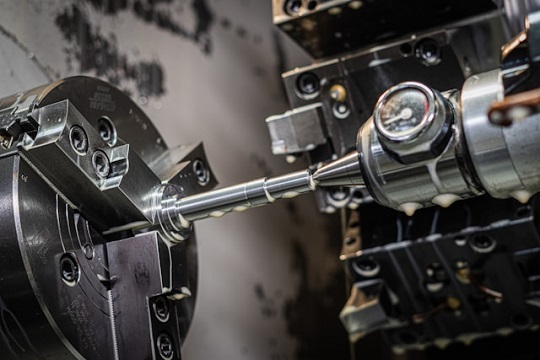
Manufacturing industries rely on rare earth alloy for performance and durability. These materials are used in:
Consistency is a key requirement in manufacturing. A stable rare earth alloy ensures that products meet strict quality standards.
In addition, custom alloy compositions allow manufacturers to tailor materials for specific needs. This flexibility makes rare earth alloy a valuable solution for advanced engineering challenges.
The demand for rare earth alloy is growing rapidly due to its importance in modern technology. Market data shows strong growth across multiple industries.
Key market insights include:
This growth is driven by several factors:
Another important trend is supply chain diversification. Many companies are looking for reliable suppliers outside traditional sources. This creates opportunities for trusted partners like AEM REE.
As industries continue to evolve, the role of rare earth alloy will become even more important. Companies that secure stable supply chains will have a competitive advantage.
Choosing the right rare earth alloy requires careful evaluation of application needs. Buyers must consider multiple factors to ensure optimal performance.
Each factor affects how the alloy will perform in real conditions. For example, high-temperature applications require alloys with strong thermal stability.
Weight is another important consideration. Lightweight materials improve efficiency but must still maintain strength.
Purity also plays a critical role. High-purity rare earth alloy materials provide better consistency and reliability.
In many cases, standard alloys may not meet all requirements. This is where custom solutions become important. A tailored rare earth alloy can be designed to match exact specifications.
By carefully evaluating these factors, buyers can select the most suitable material for their needs.
Sourcing rare earth alloy is not just about choosing the right material. It also involves ensuring consistent quality and reliable supply.
These challenges can disrupt production and increase costs. For industrial buyers, reliability is just as important as performance.
A reliable supplier helps reduce risk and ensures consistent performance. This is especially important for industries with strict requirements.
By choosing the right partner, companies can secure a stable source of rare earth alloy and avoid supply chain disruptions.
AEM REE is focused on providing high-quality rare earth alloy solutions for industrial customers. The company offers a wide range of products designed for advanced applications.
Key strengths include:
AEM REE works closely with customers to understand their needs. From research and development to large-scale production, the company provides support at every stage.
This approach helps buyers find the right rare earth alloy for their specific applications. It also ensures that materials meet strict performance and quality requirements.
For companies looking for reliable supply and technical expertise, AEM REE offers a strong partnership.
What is a rare earth alloy?
A rare earth alloy is a metal material enhanced with rare earth elements to improve strength, heat resistance, and overall performance.
What industries use rare earth alloys?
Rare earth alloy is used in aerospace, medical devices, electronics, and advanced manufacturing industries.
Are rare earth alloys stronger than conventional alloys?
Yes, rare earth alloys often provide better strength, durability, and heat resistance compared to conventional materials.
Why are rare earth alloys used in aerospace?
They reduce weight, improve heat resistance, and increase reliability in extreme conditions.
How do I choose the right rare earth alloy supplier?
Look for a supplier that offers high purity, customization, reliable delivery, and technical support.
A rare earth alloy is a powerful material that enhances performance across multiple industries. From aerospace to manufacturing, these alloys provide strength, stability, and reliability where it matters most.
As demand continues to grow, choosing the right material and supplier becomes increasingly important. By understanding properties, applications, and selection factors, buyers can make informed decisions.
If you are looking for high-quality rare earth alloy solutions, contact a trusted supplier like AEM REE can help ensure success in your projects.
 +86-731-89578196