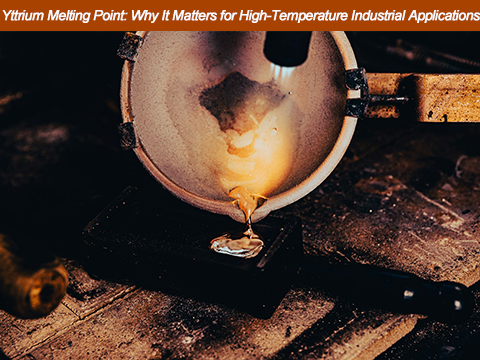
When selecting a rare earth material for high-temperature applications, understanding the yttrium melting point is essential. Yttrium offers an excellent balance of thermal stability and mechanical performance. It is also highly versatile. Because of these traits, it is a valuable material in aerospace and metallurgy. It is equally important in advanced ceramics, electronics, and energy technologies. Its high melting point allows it to maintain its core properties under demanding operating conditions. Ultimately, this helps manufacturers produce components that last longer. It also ensures they perform more reliably.
For engineers, procurement professionals, and researchers, the yttrium melting point is critical. It is more than just a number on a material data sheet. This property directly influences material selection and manufacturing methods. It also dictates overall product performance. You might be designing heat-resistant alloys. Alternatively, you might be sourcing high-purity yttrium for ceramic production. In either case, understanding this specific property can help you make much better technical decisions.
The yttrium melting point is approximately 1,522–1,528°C (2,772–2,782°F). Small differences between published values are normal. Different references may use different measurement methods, sample purity levels, or rounding conventions.
Its high melting point makes yttrium an excellent choice for diverse applications. These uses require thermal stability, oxidation resistance, and reliable performance at elevated temperatures.
| Property | Value |
| Element | Yttrium |
| Symbol | Y |
| Atomic Number | 39 |
| Melting Point | 1,522–1,528°C |
| Boiling Point | 3,338–3,609°C |
| Density | 4.47 g/cm³ |
| Crystal Structure | Hexagonal close-packed (HCP) |
| Appearance | Silvery-gray metallic |
| Common Forms | Metal, oxide, alloys, compounds |
| Major Applications | Aerospace, ceramics, lasers, electronics, metallurgy, energy |
The yttrium melting point is generally reported between 1,522°C and 1,528°C (2,772–2,782°F). This means yttrium remains solid until it reaches an extremely high temperature. Because of this high threshold, it is highly suitable for demanding manufacturing environments. It excels in areas where ordinary metals would quickly soften or deform.
Different technical references sometimes list slightly different melting points. These small differences are not errors. Instead, they result from several distinct factors. For example, material purity and testing equipment can change the results. Pressure conditions and rounding methods also play a role. However, these minor variations do not disrupt everyday work. For most industrial applications, the accepted range of 1,522–1,528°C is reliable. It provides an accurate reference for engineering and material selection.
Compared with many commonly used structural metals, yttrium performs well under heat. Yttrium does not reach the extreme melting temperatures of refractory metals. For example, it melts far below tungsten. However, it still offers a practical combination of traits. It provides strong high-temperature stability and a relatively low density. It also features excellent compatibility with other rare earth materials.
The yttrium melting point also plays an important role during manufacturing. Several key processes require precise temperature control. These include alloy production and vacuum melting. Powder metallurgy and ceramic fabrication also demand this precision. Knowing the exact melting point helps engineers select the right processing temperatures. This careful control prevents unnecessary thermal damage. It also protects the material from contamination.
Yttrium is rarely used only as a pure metal. Instead, it is commonly added to alloys. It is also frequently converted into compounds like yttrium oxide. These additions are designed to improve heat resistance and oxidation resistance. They also boost overall structural stability. Because of these diverse uses, understanding the yttrium melting point is valuable. It provides critical insight into how the material behaves during production. It also predicts performance in demanding service environments.
A high yttrium melting point is valuable in industry. It is a key reason why this rare earth metal is widely used in advanced manufacturing. Materials exposed to extreme temperatures must maintain their strength and shape. They must also retain their chemical stability over long periods. Yttrium successfully meets all of these tough requirements. Consequently, it is heavily used in many industries where thermal performance is critical.
One of the biggest advantages of yttrium is its excellent thermal stability. Intense heat changes how metals behave. As temperatures increase, many materials begin to soften or expand excessively. They often lose their structural strength entirely. Yttrium solves this problem. It features a melting point of more than 1,500°C. This allows it to perform reliably during high-heat manufacturing processes. This improves production consistency and reduces the risk of component failure.
The yttrium melting point contributes to better oxidation resistance. This benefit is clear when yttrium is used in alloys and ceramic materials. Yttrium helps create stable oxide layers on these surfaces. These layers protect the underlying material from further oxidation damage. This protective shield is valuable for specialized components. It is especially useful for parts operating in furnaces, gas turbines, and other high-temperature environments.
Another important benefit is improved material durability. Adding small amounts of yttrium to specialty alloys provides great benefits. It can be mixed into aluminum, magnesium, or titanium. Doing this actively refines the grain structure. It also increases the material's strength at elevated temperatures. Manufacturers often use yttrium for these exact upgrades. These improvements extend component life. Ultimately, they also reduce ongoing maintenance costs.
For procurement teams, selecting a material with a suitable melting point is critical. It helps ensure reliable production. It also guarantees long-term product performance. Engineers often consider the yttrium melting point for specialized designs. This includes aerospace components, advanced ceramics, and industrial heating systems. They evaluate this thermal limit alongside other key material properties. Specifically, they check density, thermal conductivity, corrosion resistance, and machinability. Together, these characteristics make yttrium a dependable choice for demanding industrial applications.
The yttrium melting point becomes even more meaningful when compared with other engineering metals. Yttrium is not classified as a refractory metal like tungsten. However, its melting point is still impressive. It is significantly higher than many other metals commonly used in manufacturing today.
| Metal | Approximate Melting Point |
| Magnesium | 650°C |
| Aluminum | 660°C |
| Copper | 1,085°C |
| Yttrium | 1,522–1,528°C |
| Iron | 1,538°C |
| Titanium | 1,668°C |
| Tungsten | 3,422°C |
This comparison shows that yttrium melts at a much higher temperature than aluminum, magnesium, and copper. As a result, this material is much better suited for demanding applications. It is ideal for situations where materials face tough conditions. Specifically, it can easily withstand continuous exposure to elevated temperatures.
Iron and titanium have slightly higher melting points than yttrium. However, yttrium is rarely selected simply because of this single property. Instead, manufacturers value its broader impact. They appreciate the way yttrium improves the performance of other materials. Small additions of yttrium can significantly increase oxidation resistance. They also refine grain size and improve high-temperature strength in many alloy systems.
Compared with tungsten, yttrium has a much lower melting point. However, tungsten is extremely dense, difficult to machine, and expensive to process. Yttrium offers a much more balanced solution for specialized applications. It is ideal for projects that require good thermal performance. At the same time, it helps you avoid the common challenges associated with refractory metals.
Understanding these differences helps engineers choose the right material for specific operating conditions. Designers do not simply select the metal with the highest melting point. Instead, they evaluate a complete combination of properties. They look closely at thermal stability and weight. They also balance corrosion resistance, manufacturability, and cost. In many of these situations, the yttrium melting point serves a specific purpose. It provides an ideal balance between performance and practical manufacturing requirements.
The yttrium melting point provides only part of the picture. To fully understand its industrial value, you must look beyond short-term data. It is important to examine how yttrium behaves when exposed to heat over extended periods. Several specific traits dictate its success. Its long-term thermal behavior and oxidation characteristics play a major role. Its exact processing requirements are also critical. All of these factors directly influence its performance in real manufacturing environments.
At elevated temperatures, yttrium maintains good structural stability. This trait makes it highly useful for demanding applications. It is ideal where repeated heating and cooling cycles occur. For example, it excels in furnace components and ceramic manufacturing. It is also valuable in specialty alloy production. Its excellent stability helps manufacturers achieve more consistent product quality. At the same time, it significantly reduces thermal deformation.
When exposed to air, yttrium gradually forms a thin oxide layer on its surface. This oxide film acts as a protective barrier that slows further oxidation. Solid yttrium performs well in controlled environments because of this shield. However, yttrium powder and machining chips are much more sensitive. They have a massive surface area. This causes them to react very quickly with oxygen. Manufacturers must handle them carefully. They store these materials in dry conditions or under protective atmospheres to stop oxidation.
During manufacturing, yttrium is often processed using vacuum melting or inert gases such as argon. These controlled environments minimize contamination and help maintain high material purity. This is especially important when producing highly specialized products. It applies directly to electronic materials and optical crystals. It is also vital for advanced alloys and high-performance ceramics. All of these materials require precise chemical compositions to function properly.
Optimizing manufacturing processes requires a deep look at thermal data. Engineers must understand how thermal behavior relates directly to the yttrium melting point. This understanding allows them to make better choices on the factory floor. They can easily select suitable processing temperatures. They can also maintain proper handling conditions. Ultimately, these steps maximize material performance, purity, and reliability across many industrial applications.
The high yttrium melting point is one of the main reasons this rare earth metal is widely used in advanced industries. High-temperature environments place heavy demands on materials. First, the materials must maintain their structural strength. Second, they must successfully resist oxidation. Meeting these challenges ensures they deliver consistent performance over long service periods. Yttrium helps achieve these goals both as a pure metal and as an alloying element or ceramic compound.
Rather than being used in large quantities, yttrium is often added in small amounts to improve the performance of other materials. Yttrium possesses a unique ability to enhance thermal stability. It also actively refines grain structures. Furthermore, it increases oxidation resistance. These combined traits make it valuable across many manufacturing sectors. It supports a wide variety of technologies. From aircraft engines to laser systems, the yttrium melting point plays a critical role. It ensures reliable operation in the most demanding environments.
Yttrium's high melting point provides significant advantages in the field. Below are some of the most important industrial applications where this property shines.


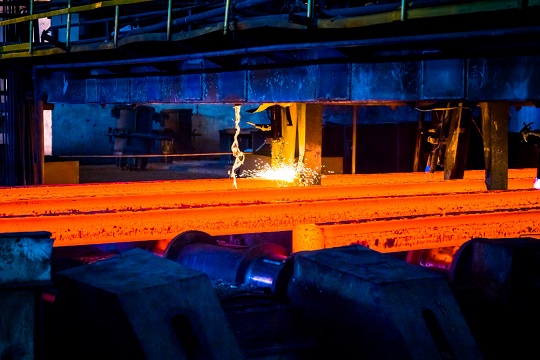
In metallurgy, the high yttrium melting point provides a major advantage. It allows yttrium to perform effectively during alloy production. It is also effective during heat treatment. Workers commonly add it as a deoxidizer and a grain refiner. These additions improve alloy cleanliness and strength. They also increase oxidation resistance. Yttrium is used across many different alloy systems. These include aluminum, magnesium, titanium, zirconium, chromium, and molybdenum. These systems are critical for aerospace, automotive, and industrial applications. Even small additions can significantly enhance mechanical performance. Ultimately, they ensure better reliability in high-temperature environments.
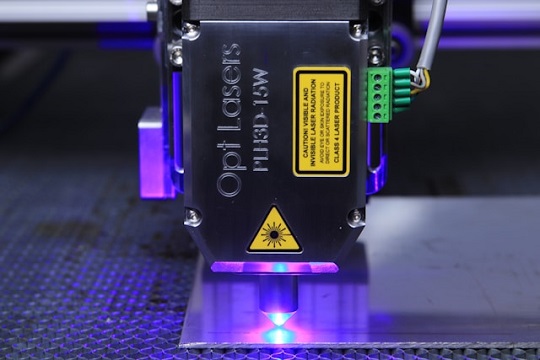
The high yttrium melting point supports the production of advanced optical and electronic materials. These specialized materials require excellent thermal stability to function. Key examples include yttrium compounds like yttrium aluminum garnet (YAG). Another common compound is yttrium orthovanadate (YVO₄). Manufacturers use these materials widely in industrial lasers and medical devices. They also rely on them for optical systems and scientific instruments. Additionally, yttrium serves as an important component in phosphors. These phosphors power modern LED lighting and display technologies. Its excellent thermal stability helps maintain high product quality during high-temperature manufacturing. Ultimately, this ensures reliable performance in demanding electronic applications.

The high yttrium melting point benefits advanced medical and energy technologies. Yttria-stabilized zirconia (YSZ) is widely used in solid oxide fuel cells and oxygen sensors. It is also a core material for thermal barrier coatings. Manufacturers choose it because of its excellent thermal stability. In the medical field, yttrium-90 is used in targeted cancer therapy. This application demonstrates the broad value of yttrium beyond traditional metallurgy. Clean energy and healthcare technologies continue to advance rapidly. As a result, demand for high-purity yttrium materials is expected to grow steadily.
Selecting the appropriate yttrium product is just as important as understanding the yttrium melting point. Different applications require different material forms, purity levels, and physical specifications.
| Product Form | Typical Applications |
| Yttrium Metal | Alloy production, metallurgy, research |
| Yttrium Oxide | Advanced ceramics, thermal barrier coatings, fuel cells |
| Yttrium Alloys | Aerospace, automotive, specialty metallurgy |
| Yttrium Sputtering Targets | Semiconductor and thin-film deposition |
| High-Purity Yttrium | Scientific research, electronics, optical materials |
When choosing a yttrium material, engineers should consider several factors, including purity, particle size, dimensions, manufacturing method, and application environment. High-purity materials are often required for electronics, optical crystals, and research, while industrial alloy production may prioritize consistency, supply stability, and cost efficiency.
Working with an experienced supplier can simplify material selection. A reliable supplier can provide technical guidance, customized specifications, and consistent quality to support demanding manufacturing processes.
The yttrium melting point is generally reported between 1,522°C and 1,528°C. Slight differences between published values result from variations in testing methods, sample purity, and rounding.
Different laboratories may use different measurement techniques or test materials with different purity levels. These small variations explain why reference values differ by a few degrees, but they do not significantly affect industrial applications.
Yes. With a melting point above 1,500°C, yttrium is considered a high-temperature engineering material. Its excellent thermal stability makes it suitable for advanced alloys, ceramics, and other demanding industrial applications.
Yes. Yttrium oxide has a significantly higher melting point than metallic yttrium, making it an excellent material for refractory ceramics, thermal barrier coatings, and high-temperature furnace components.
Many industries benefit from the high yttrium melting point, including:
The yttrium melting point, approximately 1,522–1,528°C, is one of the key properties that makes yttrium an important rare earth material for modern industry. Its high thermal stability supports reliable performance in demanding environments where ordinary metals may fail.
Beyond its melting point, yttrium enhances oxidation resistance, refines alloy microstructures, and improves the performance of advanced ceramics, optical materials, and energy technologies. These advantages have made yttrium an essential material for aerospace manufacturers, metallurgical companies, electronics producers, research laboratories, and clean energy developers.
Choosing the right yttrium product depends on your application requirements, including purity, material form, operating temperature, and manufacturing process. Whether you need yttrium metal for alloy production, yttrium oxide for advanced ceramics, yttrium alloys for high-performance components, or sputtering targets for thin-film deposition, selecting high-quality materials is critical to achieving consistent results.
As a global B2B supplier of rare earth materials, AEM REE provides high-purity yttrium products in a wide range of forms to support industrial manufacturing, scientific research, and advanced technology development. If you are looking for reliable yttrium materials or customized specifications for your next project, contact our technical team to help you find the right solution.
 +86-731-89578196